

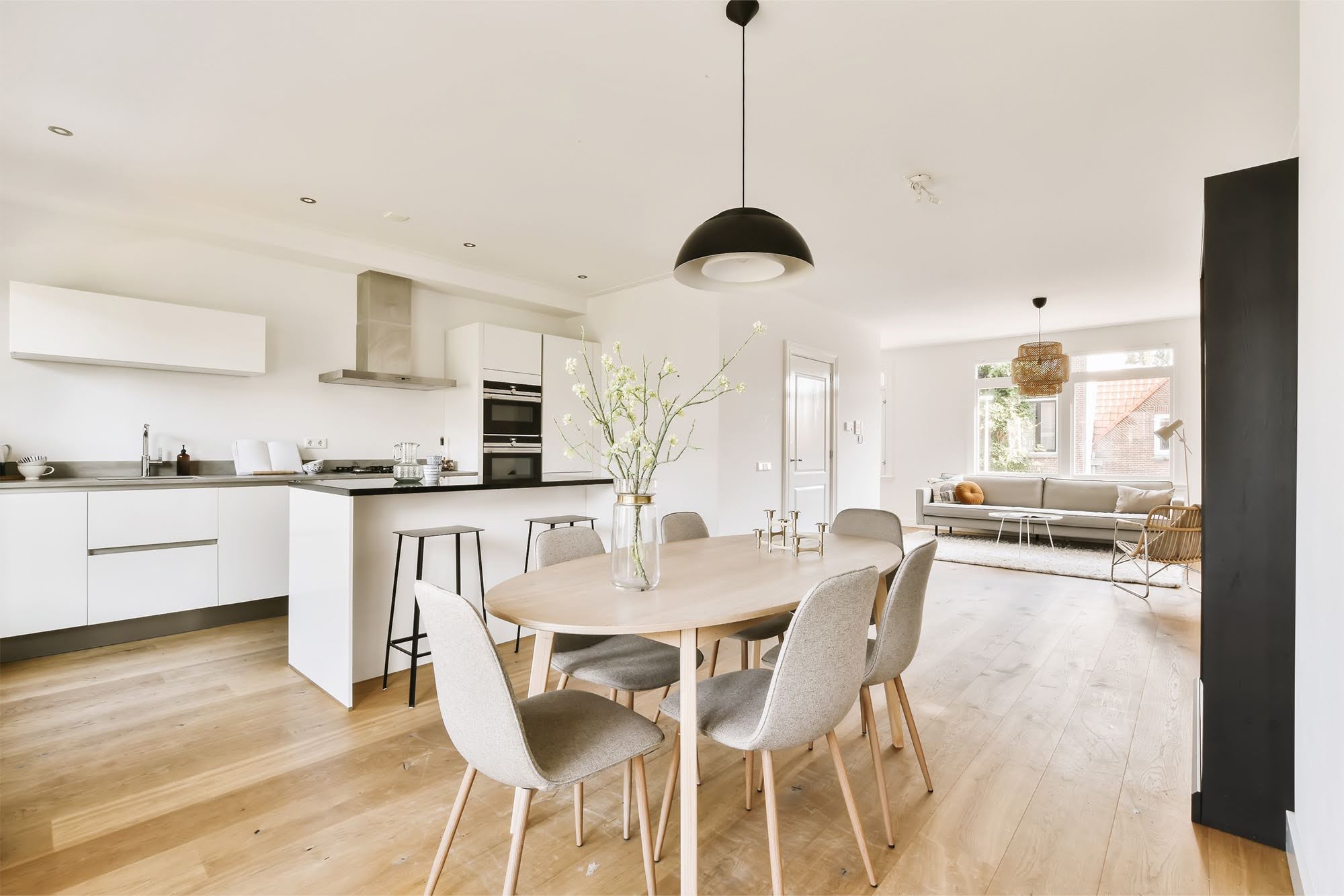
Noise can have a surprisingly large impact on comfort at home. Whether it's footsteps from an upstairs hallway, a television echoing through an open-concept living room, or activity from a busy household, unwanted sound can make it difficult to fully enjoy your space. At Abbey Capitol Floors & Interior, we help Olympia homeowners choose flooring solutions that not only look beautiful but also contribute to a quieter, more comfortable living environment.
The good news is that the right flooring choices can significantly reduce noise throughout your home. By understanding how carpet and hardwood affect acoustics, and by incorporating a few smart design strategies, you can create spaces that feel more peaceful while maintaining the style and durability you want.
Understanding How Sound Travels Through a Home
Before choosing flooring, it helps to understand the two primary types of household noise.
Impact Noise
Impact noise occurs when something physically contacts the floor. Examples include:
Footsteps
Children running
Pet activity
Moving furniture
Dropped objects
These sounds often travel through floors and into adjacent rooms or lower levels.
Airborne Noise
Airborne noise includes sounds that move through the air, such as:
Conversations
Television audio
Music
Home office calls
The materials within a room influence how much of this sound is absorbed or reflected.
Because flooring covers a large surface area, it can play a major role in controlling both types of noise.
Why Carpet Is One of the Best Sound-Control Flooring Options
Carpet has long been one of the most effective flooring materials for reducing noise. The soft surface and underlying padding help absorb sound rather than reflect it.
Carpet's Acoustic Advantages
Quality carpet can help:
Reduce echo in large rooms
Absorb airborne sound
Minimize footstep noise
Reduce sound transfer between floors
Create a quieter atmosphere overall
This is one reason many homeowners choose carpet flooring for bedrooms, upstairs hallways, playrooms, and home offices.
In multi-level homes, carpet is often particularly effective because it helps reduce noise transmission between floors.
How Carpet Padding Improves Sound Control
Many homeowners focus on carpet style while overlooking one of the most important factors: padding.
The correct padding can significantly improve sound absorption while also enhancing comfort underfoot.
Benefits of premium padding include:
Improved noise reduction
Increased comfort
Better insulation
Extended carpet lifespan
When evaluating carpet options, it is important to consider carpet and padding together rather than separately.
If you're exploring flooring solutions for a quieter home, our free in-home measuring and estimates can help identify the best combination for your space.
Hardwood Flooring and Sound Management
Hardwood remains one of the most popular flooring choices because of its durability, beauty, and long-term value. However, hard surfaces naturally reflect more sound than soft flooring materials.
Common Acoustic Characteristics of Hardwood
Hardwood may:
Amplify footstep noise
Create more noticeable echoes
Transmit impact sounds to lower levels
Reflect airborne sound throughout open spaces
This does not mean hardwood should be avoided. Instead, homeowners can use additional sound-control strategies to maintain hardwood's visual appeal while improving acoustics.
Many Olympia homeowners choose hardwood flooring in main living areas and supplement it with sound-softening elements.
The Importance of Underlayment
One of the most effective ways to improve sound performance under hardwood is proper underlayment.
Quality underlayment can:
Reduce impact noise
Improve overall comfort
Minimize sound transmission between floors
Enhance flooring performance
When planning a flooring project, it's important to discuss acoustic goals alongside appearance and durability requirements.
Our team can review available options when you visit our showroom and compare flooring systems in person.
Using Area Rugs Strategically
Area rugs provide one of the easiest and most effective solutions for homeowners who prefer hardwood but want better sound control.
Strategic rug placement can help:
Reduce echoes in large rooms
Soften footstep noise
Add warmth and texture
Improve room acoustics
Living rooms, dining areas, and home offices often benefit from thoughtfully placed rugs that complement surrounding flooring while improving comfort.
Creating a Quieter Home Office
With more homeowners working remotely, home office acoustics have become increasingly important.
Noise distractions can affect productivity and meeting quality. Flooring choices play a significant role in creating a quieter workspace.
For home offices, consider:
Carpet flooring
Area rugs over hardwood
Soft furnishings
Acoustic wall treatments
A combination of these solutions can create a more focused and comfortable work environment.
Best Flooring Choices for Multi-Level Homes
Multi-story homes often experience more sound-related challenges than single-level homes.
Upstairs Bedrooms
Carpet is frequently the preferred choice because it reduces footstep noise and helps create a quieter sleeping environment.
Hallways
Carpeted hallways can significantly reduce sound transfer between rooms and floors.
Living Spaces
Hardwood can still work beautifully in main gathering areas when paired with rugs and furniture that absorb sound.
By carefully selecting flooring based on room function, homeowners can improve comfort without sacrificing style.
Combining Carpet and Hardwood for the Best Results
For many Olympia homes, the ideal solution is not choosing carpet or hardwood exclusively. Instead, combining both materials often creates the perfect balance.
A common sound-conscious flooring layout includes:
Hardwood in living rooms
Hardwood in dining rooms
Hardwood in entryways
Carpet in bedrooms
Carpet on stairs
Carpet in home offices
This approach provides the durability and visual appeal of hardwood while using carpet in areas where sound control is most valuable.
You can compare flooring combinations by browsing all flooring products and discussing room-by-room solutions with our flooring specialists.
Additional Sound-Control Strategies
Flooring is only one part of an effective acoustic plan.
Additional ways to reduce household noise include:
Adding upholstered furniture
Using fabric window treatments
Incorporating bookshelves and décor
Installing area rugs
Choosing quality flooring underlayment
Together, these elements help create a more comfortable and peaceful living environment.
Create a More Peaceful Home
Noise doesn't have to be a permanent part of everyday life. By carefully selecting flooring and incorporating simple sound-control strategies, homeowners can dramatically improve the comfort of their spaces.
Whether you prefer the quiet comfort of carpet, the timeless appeal of hardwood, or a thoughtful combination of both, there are effective ways to create a home that feels calmer and more inviting.
At Abbey Capitol Floors & Interior, we're here to help you find flooring solutions that support both your design goals and your lifestyle. We invite you to visit our showroom to compare flooring materials and discuss your home's unique needs. You can also schedule free in-home measuring and estimates to develop a customized flooring plan that enhances comfort, style, and sound control throughout your home.


